Loin des lumières de la ville et des distractions modernes, le ciel nocturne du Sahara se déploie avec une clarté à couper le souffle. L’observation des étoiles dans le Sahara n’est pas une simple activité — c’est une expérience qui vous reconnecte à l’univers.
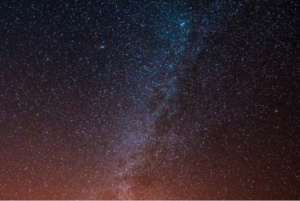
Ce qui rend le Sahara parfait pour l’astronomie : pollution lumineuse minimale, altitude élevée, humidité extrêmement basse, conditions atmosphériques stables et horizons dégagés à 360°. Par nuit sans lune, la Voie Lactée est si lumineuse qu’elle projette de faibles ombres sur le sable.
Vous pourrez observer la Voie Lactée, les constellations d’Orion, du Scorpion et du Sagittaire, des étoiles filantes et les planètes Jupiter et Saturne. Pour les nomades sahariens, les étoiles sont des guides : bien avant le GPS, les constellations servaient à naviguer, suivre les migrations et raconter les légendes ancestrales.
Meilleure période : octobre à avril pour des températures confortables, les nuits d’hiver pour un ciel cristallin, et les périodes de nouvelle lune pour une visibilité maximale. Prévoyez des couches chaudes, une lampe frontale à lumière rouge, et un trépied pour la photo nocturne.
When the sun disappears behind the dunes and the Sahara grows silent, the desert reveals its greatest secret. Far from city lights and modern distractions, the night sky unfolds in breathtaking clarity. Stargazing in the Sahara is not just an activity—it’s an experience that reconnects you with the universe.
A single night under the desert sky can feel timeless, humbling, and unforgettable.
Why the Sahara Is One of the Best Places on Earth for Stargazing
The Sahara Desert offers ideal conditions for astronomy and night photography. Its vast emptiness and dry climate create some of the clearest night skies in the world.
What makes the Sahara perfect for stargazing:
- Minimal light pollution
- High elevation in many regions
- Extremely low humidity
- Stable atmospheric conditions
- Wide, unobstructed horizons
On a moonless night, the Milky Way appears so bright it casts faint shadows on the sand.

The Transition from Day to Night
Sunset: The Desert Holds Its Breath
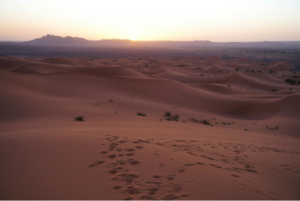
As daylight fades, the dunes cool rapidly. The sky shifts from gold to crimson, then to deep indigo. Silence settles in, broken only by the wind shaping the sand.
This twilight moment prepares your eyes—and your spirit—for what comes next.
A Sky Filled with Stars
Once darkness fully arrives, the sky explodes with stars. Constellations appear with startling clarity, many unfamiliar to those accustomed to urban skies.
What You Can See in the Saharan Sky
- The Milky Way stretching across the horizon
- Orion, Scorpius, and Sagittarius
- Shooting stars and meteor showers
- Bright planets like Jupiter and Saturn
For many travelers, it’s the first time seeing the sky as ancient civilizations once did.

Stargazing Through a Cultural Lens
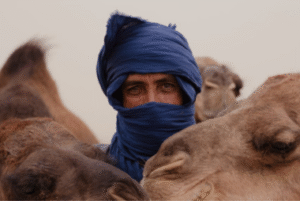
For Saharan nomads, the stars are more than beauty—they are guides. Long before GPS, constellations were used for navigation, storytelling, and marking seasons.
Star knowledge passed orally helped nomads:
- Navigate across vast deserts
- Track seasonal migrations
- Tell ancestral stories and legends
Listening to these stories beneath the same sky adds profound meaning to the experience.
Best Time of Year for Stargazing in the Sahara
The Sahara can be visited year-round, but some seasons offer better stargazing conditions.
Best months:
- October to April for comfortable temperatures
- Winter months for crisp night skies
- New moon periods for maximum visibility
Summer nights can be warm but still offer stunning skies for those prepared.
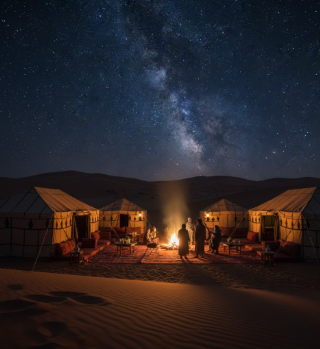
Tips for an Unforgettable Desert Stargazing Experience
What to Bring
- Warm layers (desert nights get cold)
- A headlamp with red light mode
- A blanket or sleeping mat
- A star map or astronomy app
- A camera and tripod for night photography
Photography Settings (Beginner Friendly)
- Aperture: f/2.8 or wider
- ISO: 1600–3200
- Shutter speed: 15–25 seconds
- Manual focus on distant stars
Disconnect to Truly Connect
In the Sahara, there’s no Wi-Fi, no notifications, and no noise—just the vastness of space above you. Lying on the sand, watching stars drift across the sky, time seems to slow.
This stillness creates a rare opportunity to reflect, dream, and feel profoundly small in the best possible way.
Responsible Stargazing in the Desert
To preserve this magic:
- Use minimal artificial light
- Avoid disturbing wildlife
- Leave no trace behind
- Respect local communities and guides
The desert gives generously—care for it in return.
Final Thoughts: A Sky You’ll Never Forget
Stargazing in the Sahara is not about telescopes or expertise. It’s about presence. About feeling the universe stretch endlessly above you while the ancient desert cradles you below.
One night under the Saharan stars can change how you see the world—and your place within it.