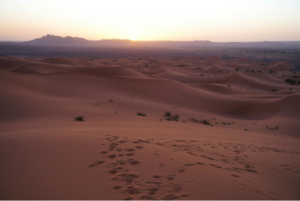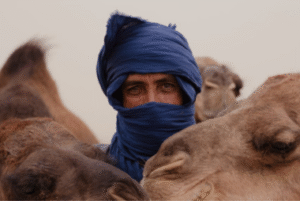
In the vast deserts, rugged mountains, and remote plateaus of Morocco, nomadic life continues to thrive—quietly resisting the pull of modernity. While cities like Marrakech and Casablanca rush forward, Morocco’s nomads maintain ancient traditions shaped by movement, resilience, and deep harmony with the land.
This is a journey into their world—where heritage is not preserved in museums, but lived every day.
Who Are Morocco’s Nomads?
Morocco’s nomadic communities are primarily Amazigh (Berber) tribes, along with Sahrawi groups in the southern regions. For centuries, they have followed seasonal routes across deserts and highlands, guided by grazing land, water sources, and ancestral knowledge.
Nomadism in Morocco is not simply a lifestyle—it is a cultural identity passed down through generations.
Key nomadic regions include:
- The Sahara Desert
- The Atlas Mountains
- The Drâa and Dades Valleys
- Eastern Moroccan plateaus

Daily Life on the Move
Tents, Tools, and Traditions
Traditional nomadic tents, often made from woven goat hair or wool, are lightweight yet durable—perfectly designed for frequent relocation. Inside, every item serves a purpose, from handwoven rugs to copper tea kettles.
Daily tasks revolve around:
- Herding goats, sheep, or camels
- Fetching water from wells or springs
- Preparing meals over open fires
- Weaving, repairing, and trading goods
Life follows the rhythm of the land, not the clock.
The Art of Hospitality
Hospitality is a cornerstone of Moroccan nomadic culture. A guest, expected or not, is welcomed with warmth and generosity—often with mint tea poured high to create foam, symbolizing respect and friendship.
Sharing food and stories strengthens social bonds and keeps oral traditions alive.

Nomads in a Modern World
Adapting Without Losing Identity
Modern Morocco has brought roads, mobile phones, schools, and healthcare closer to nomadic regions. Many nomads now live semi-nomadic lives—settling part of the year while continuing seasonal migration.
Some adaptations include:
- Solar panels for electricity
- Mobile phones for communication and trade
- Market participation in nearby towns
- Children attending regional schools
Yet despite these changes, core values—community, land stewardship, and tradition—remain strong.
Traditional Clothing and Symbolism
Nomadic clothing is both functional and symbolic. Flowing garments protect against heat and sand, while colors and embroidery reflect tribal identity and marital status.
Common garments include:
- Djellabas and burnous cloaks
- Indigo-dyed Saharan robes
- Handcrafted leather sandals
Each stitch tells a story.

Music, Poetry, and Oral History
Without written records, nomadic culture survives through spoken word, music, and ritual. Songs accompany travel, weddings, and celebrations, often featuring rhythmic clapping and simple instruments.
Poetry is especially revered—used to pass down history, moral lessons, and tribal memory.
Responsible Cultural Encounters
For travelers eager to meet Morocco’s nomads, respect is essential.
Guidelines for ethical interaction:
- Ask permission before taking photographs
- Avoid staged or exploitative experiences
- Support local guides and cooperatives
- Listen more than you speak
Authentic encounters come from genuine curiosity and humility.
Why Nomadic Traditions Still Matter
In a world driven by speed and consumption, Morocco’s nomads offer a different vision—one rooted in sustainability, adaptability, and deep respect for nature.
Their way of life reminds us that progress does not have to erase tradition.
Final Thoughts: A Living Heritage
Moroccan nomads are not relics of the past—they are custodians of living knowledge. Their traditions continue to evolve while preserving ancient wisdom, offering valuable lessons about balance, resilience, and community.
To meet the nomads of Morocco is to witness history still walking the land.
Les communautés nomades du Maroc sont principalement des tribus Amazighes (berbères), ainsi que des groupes Sahraouis dans les régions méridionales. Depuis des siècles, ils suivent des routes saisonnières à travers déserts et hauts plateaux, guidés par les pâturages, les sources d’eau et un savoir ancestral.
Le nomadisme au Maroc n’est pas un simple mode de vie — c’est une identité culturelle transmise de génération en génération. Les principales régions nomades incluent le désert du Sahara, les montagnes de l’Atlas, les vallées du Draâ et du Dadès, et les plateaux de l’Est marocain.
La vie quotidienne s’organise autour de l’élevage de chèvres, moutons et dromadaires, la collecte d’eau, la préparation des repas sur feu ouvert, et le tissage et l’artisanat. L’hospitalité est une pierre angulaire de la culture nomade : un invité, attendu ou non, est accueilli avec chaleur et générosité.
Le Maroc moderne a rapproché routes, téléphones et écoles des régions nomades. Beaucoup vivent désormais une vie semi-nomade, mais les valeurs fondamentales — communauté, respect de la terre et tradition — restent vivaces